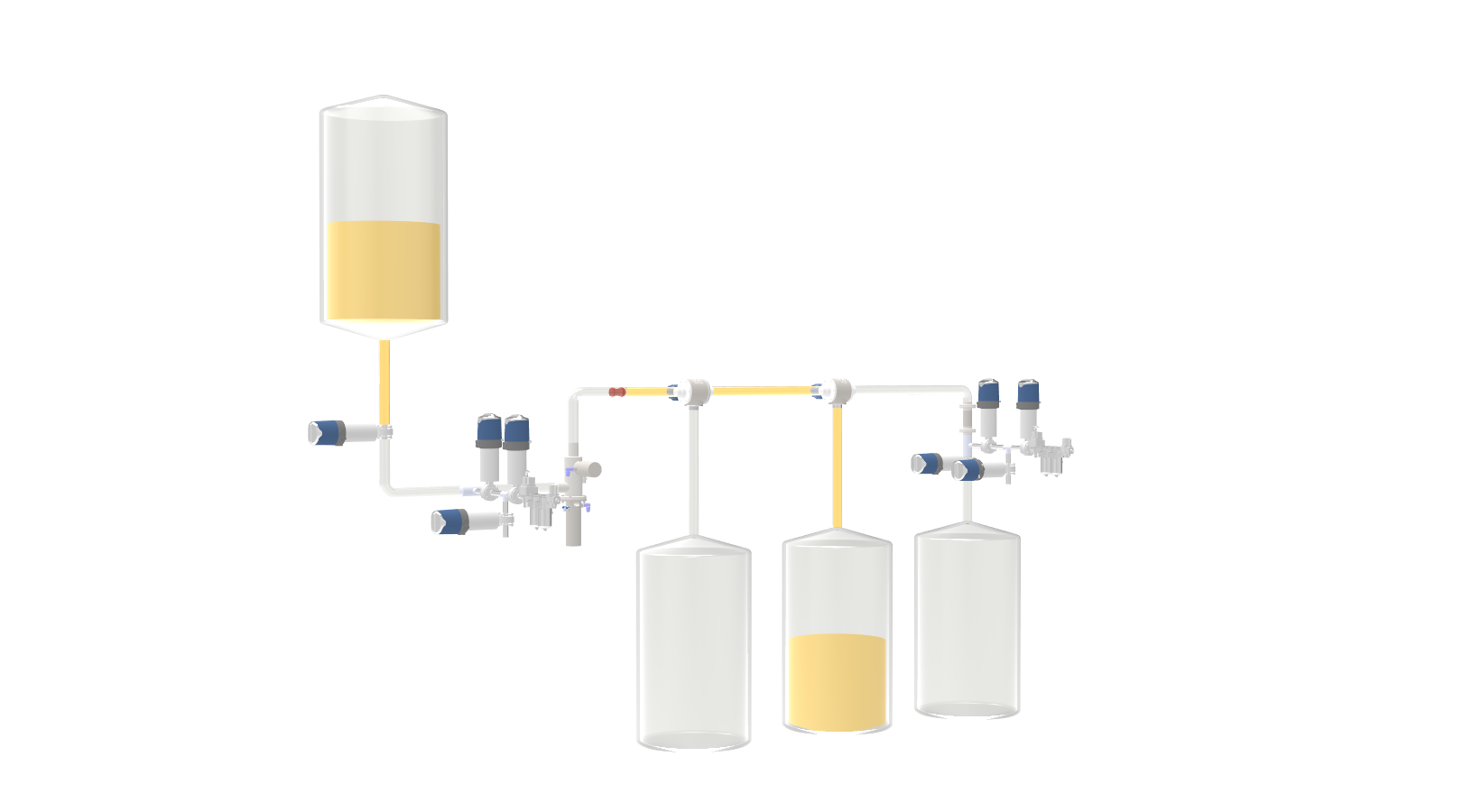
Elevating conduit productivity calls for thorough regulation of Pig timing.
Specific Process Pig Momentum Governance: A Single Hands-on Instruction
Maintaining maximum pig velocity is crucial for proficient pipeline treatment. Handling pig transit faithfully involves a comprehensive cognizance of numerous factors, consisting of pipeline design, pig build, and liquid characteristics. This text elaborates applicable approaches for fine-tuning pig timing, embracing subjects like launcher pressure, capture pressure, and the consequence of counterpressure. In pipeline pig speed control the end, constant pig speed oversight leads to enhanced tube solidness and minimized operational fees.Aspects Guiding Pigging Mechanism Velocity
Manifold major influences determine the speed at which a pig operates through a conduit. Load, both the forward and ending, is a considerable driver; a higher pressure differential frequently leads to a faster pigging pace. The internal size of the system also plays a function, with larger diameters providing for higher pig momenta. Furthermore, the device's build, including its extent and form, immediately determines its forward motion. Finally, the level of sediment and the coarseness of the pipe surface can initiate drag, curtailing pigging pace.
Sustaining Efficient Pig Speed in Networks
Establishing stable substance progression within system arrays is indispensable for maximized performance. Several forces influence slurry flow, including network bore, load, and component density. Routine checking of component speed and swift fine-tuning of procedural parameters are needed to stop accumulations and support peak functionality.
Guiding Pig Timing: Major to Successful Pipeline Sanitation
Competently directing scraper momentum is decisively important for achieving a thorough pipeline sanitation. High a velocity can impair the network, while lethargic a flow may prevent clearing all contaminants. Therefore, thoughtful fine-tuning of the scraper's executing momentum is mandatory to and system integrity and maintenance productivity.
Such Impression of Pig Timing on Pipeline Pigging Activities
That momentum of the tool significantly determines the productivity of pipeline service processes. A gradual velocity may allow for more elaborate dirt removal, particularly in sophisticated pipeline regions, but can stretch the overall assignment period and possibly increase operating spending. Conversely, a boosted momentum can quicken the maintenance process, curtailing term and fee, however, it compromises a less cleaning and can plausibly impair the system. Therefore, balancing unit timing requires detailed evaluation of pipeline parameters, component attributes, and desired results.
Treatment Mechanism Rate: Foremost Strategies and Diagnostics
Perfecting treatment arrangement speed is fundamental for ensuring functionality and diminishing interruptions. Frequently, suitable pigging flow ranges within varied measurement units per duration, although this can alter depending on pipeline dimension, substance form, and device make. If facing slow handling rate, explore factors such as significant barrier from sediment, defective device modules, or blockages within the line. Regular maintenance, including apparatus review and contaminants cleaning, is vital to support consistent servicing cadence and general arrangement stability.
Grasping Pipeline Pig Timing and its Consequences
An cadence at which a pig traverses a pipe is a essential factor impacting efficiency and integrity. Overly fast can generate excessive resistance, potentially leading to increased energy consumption and even untimely deterioration of the instrument itself, as well as the tube. Conversely, a sluggish progression might bring about substandard clearing, extended downtime, and a lessening in overall output. Therefore, meticulous calculation and unwavering monitoring of pig speed are necessary for improving pipeline efficiency and lessening costly disruptions.
Next-generation Techniques for Pig Velocity Regulation
Enhancing hog momentum through intake presents a fundamental challenge for modern producers. Employing advanced strategies like dynamic observation of each livestock’s eating and utilizing specific food supply systems can substantially lessen instances of bingeing and amplify overall assembly effectiveness. Furthermore, merging behavioral monitoring with ambient condition control – such as calibrating thermal levels and luminosity – provides important data for fine-tuning stock timing methods and facilitating a more even growth segment.
