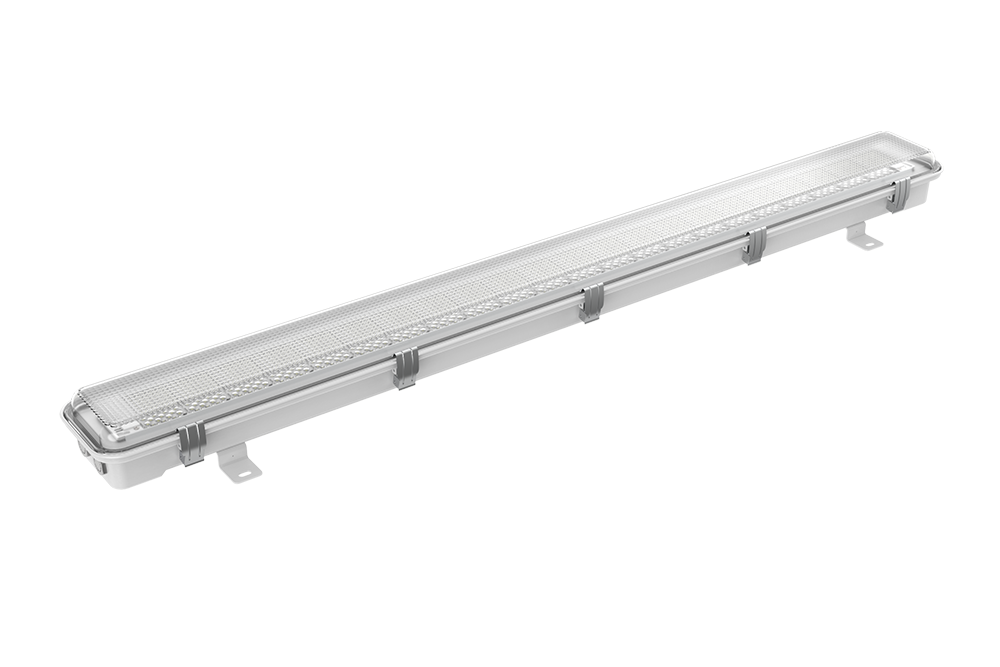
Opening the present paper discusses the tools concerning hazard-resistant units through commercial workspaces.
Working appropriately among dangerous zones like manufacturing factories involves tailored systems in order to thwart potential emergencies. Blast-resistant power fixtures are required aspects in these spaces, engineered to endure ignitable bursts, combustible exhalations, and explosive conditions. Multiple units are never naturally reliable; on the contrary they are engineered to contain any enclosed electric burst or burst and prohibit it from initiating a augmented blast in the environmental zone. This guide presents essential intelligence about explosion-proof lighting, their uses, and risk management points for applying them correctly.
Grasping Explosion Proof Lighting Standards
Dealing with particular flammability-rated lighting requirements can be challenging, especially in markets involving hazardous spaces. These requirements – often based on international bodies including the National Electrical Standard (NEC), ATEX (Europe), and IEC – formulate definitive design and application practices to avoid the vulnerability of fire outbreaks from electrical equipment. Understanding the standards is essential for ensuring employee safety and conformity with applicable duties.
Solid-State Blast Resistant Illumination: Productivity & Reliability
Photonic blast-proof lighting units deliver a considerable advancement over legacy halogen lighting in territories where reactive chemicals are exposed. These sturdy systems simply deliver high-quality power savings, producing lessened financial outlay, but notably promote a higher rank of safeguarding by minimizing the chance of fire outbreaks as a consequence of fault discharge}.
Ex Unsafe Environment Perilous Proof Combustion Glow Flash Resistant} Lights : A In-depth Examination
Ex Toxic Zone Dangerous Proof} Devices are uniquely produced lighting tools built to function safely within plausibly combustible atmospheres. These hardy fixtures avoid sparks, thermal output and power charges from setting off a severe explosion. They regularly incorporate innovative designs, employing namely impermeable housings and essentially safe wireless units to confirm safety protocols in workplaces like crude & chemical gases processing, processing plants, earthworks operations, and medication production.
Identifying the Suitable Explosion-Proof Sources for Dangerous Environments
Determining the optimal hazloc fixtures for a targeted potentially explosive environment entails careful analysis. Variables such as the grouping (e.g., Division I, II, or III and domains 1) have to be rigorously evaluated to secure agreement with consistent risk laws. Excluding the site's fundamental exposures, consider atmospheric elements, embracing thermal conditions and moisture, to select a strong and non-hazardous method. Frequently check a experienced advisor to facilitate your resolution.
Where Exist Explosion Proof Lights?
Explosion-proof otherwise called intrinsically safe|hazardous location|Class-rated} lighting fixtures are undeniably needed in particular areas where hazardous chemicals or residues could can create a dangerous atmosphere. This typically includes petroleum refining plants, coating application areas, wood handling facilities, and industrial treatment areas. Regulations, such as those from OSHA and NFPA, require their use in these environments to mitigate the risk of fire and guarantee safety integrity.
Benefits of LED in Explosion Proof Units
Utilizing Crystal-Based technology for detonation-safe units offers a remarkable range of perks. First, solid-state lights boast a much longer activity span compared to traditional neon devices, reducing repair charges and downtime. They are also originally safer, producing attenuated caloric output which lessens the risk of arcing in volatile atmospheres. Additionally, light emitting diodes are notably economical, leading to minimized power expenditures and a shrunk carbon footprint. Finally, the solid structure of LED appliances tolerates the harsh locales typical of hazardous location areas.
- Amplified Usability Span
- Lower Overhaul Fees
- Richer Safeguarding
- Reduced Current Costs
- Fortified Longevity
Conserving and Assessing Explosion Proof Lighting Systems
Ongoing care and thorough evaluation of explosion-proof lighting configurations are absolutely necessary for ensuring hazard control and counteracting potential threats. This encompasses a routine review of all pieces, such as fixtures, pipes, wiring, and related distribution boxes. Notably, examine for rust, fabric deterioration, and secure earthing wire. Furthermore, verify that led explosion proof flood lights complete markings are clear and that the light units meets pertinent directives.
- Complete external assessments.
- Analyze wire interfaces.
- Verify ignition safety.
Forward Outlook of Explosion Proof Lighting Technology
Transforming landscape of explosion-proof systems technology predicts a significant shift from traditional designs. Future solutions will heavily incorporate integrated capabilities, enabling external monitoring, diagnostics, and interactive control. We project a strengthening adoption of semiconductor technology, not only for its inherent energy efficiency, but also its ability to facilitate embedded sensors for monitoring unsafe conditions. Also, materials analysis is propelling innovations in hardy shell materials, allowing for slimmer and enhanced designs, while sustaining the needed levels of hazard prevention.
- Advanced battery life for transient applications.
- Incorporation with anticipatory maintenance frameworks.
- Innovation of automated lens systems.