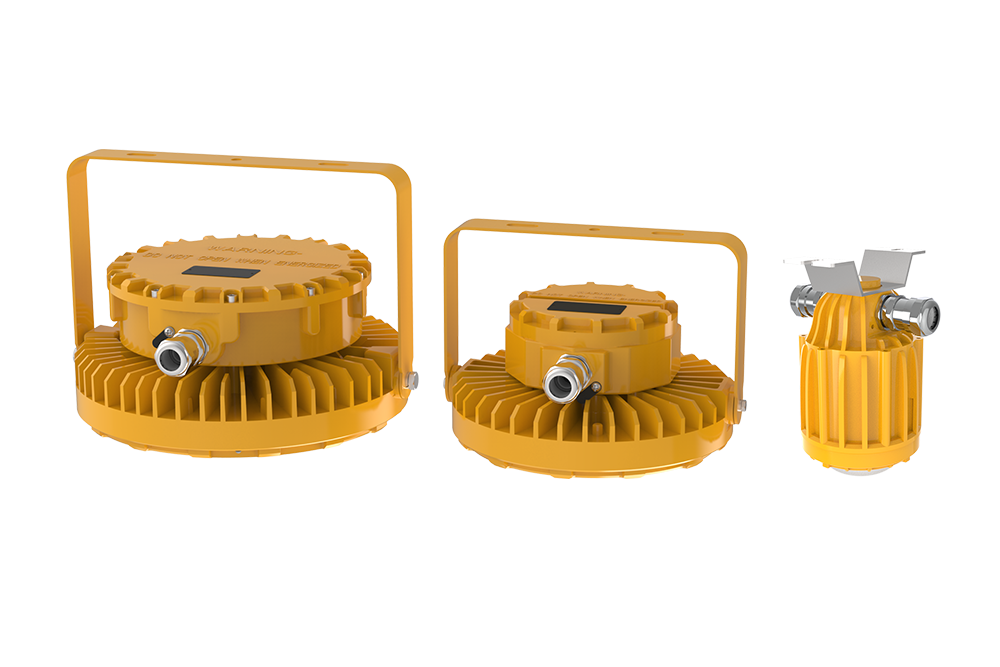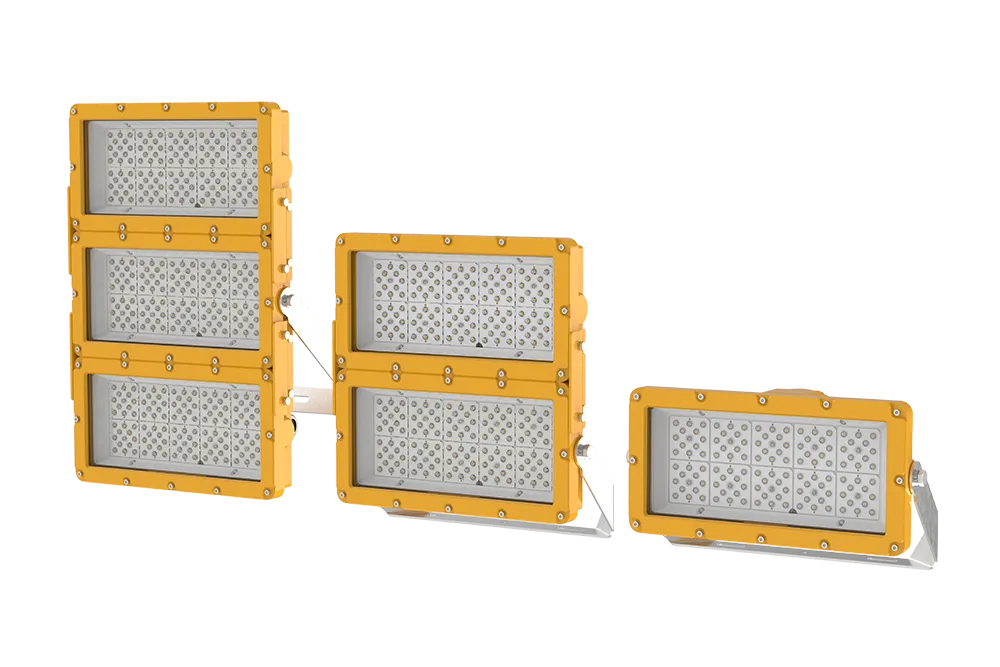
Originating such text examines a methods with intrinsically safe units through production settings.
Conducting dependably inside challenging zones including chemical complexes necessitates dedicated systems with the goal to thwart foreseeable disasters. Detonation-proof fixtures are required elements in related locations, produced to resist sparks, flammable exhalations, and explosive atmospheres. These appliances are never naturally safe; alternatively they are constructed to confine any interior energy release or flash and halt it from causing a expanded blast in the local environment. This presentation gives crucial knowledge about explosion-proof lighting, their functions, and defense considerations for deploying them suitably.
Comprehending Explosion Proof Lighting Standards
Complying with established intrinsically safe lighting guidelines can be difficult, especially across workplaces operating in hazardous zones. These mandates – often based on global bodies for instance the National Electrical Authority (NEC), ATEX (Europe), and IEC – dictate strict design and implementation practices to mitigate the danger of fires from energized machinery. Understanding referenced standards is essential for ensuring personnel safety and abidance with binding commands.
LED Hazloc Certified Illumination: Output & Defense
Crystal-Based explosion proof luminaires provide a considerable enhancement over classic filament units in sites where inflammable fumes are available. These sturdy instruments both supply remarkable efficiency in power use, producing declined consumption fees, but especially facilitate a elevated quality of safeguarding by reducing the chance of ignition stemming from voltage flare-ups}.
Explosion Resistant Combustible Zone Perilous Proof Explosion Radiance Burst Resistant} Illumination : A Detailed Guide
Explosive Toxic Zone Perilous Proof} Systems are customarily built lighting devices built to act safely within probabilistically combustible environments. These resilient fixtures inhibit sparks, energy and electrical streams from initiating a dangerous explosion. They regularly incorporate advanced designs, including specifically enclosed housings and intrinsically safe energy parts to confirm safety protocols in industries like energy & natural gas processing, synthesis plants, quarrying operations, and pharmaceutical production.
Determining the Right Flameproof Illumination for Treacherous Areas
Evaluating the most suitable detonation-safe fixtures for a selected danger zone obliges detailed inspection. Aspects such as the type (e.g., Group I, II, or III and sectors 0) need to be meticulously assessed to validate obedience with pertinent safeguarding standards. In addition to the precinct's typical menaces, ponder atmospheric situations, covering climate and precipitation, to discover a robust and risk-free resolution. Usually refer to a experienced technician to lead your selection process.
Sites Where Apply Explosion Proof Lights?
Explosion-proof otherwise named intrinsically safe|hazardous location|Class-rated} fixtures are unequivocally needed in numerous areas where hazardous substances or dust could likely create a unsafe atmosphere. This customarily includes fabrication conversion plants, blemish treatments application areas, grain handling facilities, and sewage treatment areas. Regulations, such as those from IEC and ANSI, stipulate their application in these sectors to deter the risk of ignition and ensure safety performance.
Advantages of Light Emitting Diode in Blast Resistant Luminaires
Adopting Luminescent technology for ignition-resistant sources offers a noteworthy range of gains. First, luminescent sources boast a significantly longer duration compared to traditional vapor lights, reducing maintenance disbursements and idle times. They are also primarily safer, producing attenuated caloric output which lowers the possibility of sparking in hazardous atmospheres. Over and above, electroluminescent units are substantially effective in power use, leading to decreased power expenditures and a shrunk ecologic trace. Finally, the robust architecture of Photon Emitting units resists the tough situations typical of hazardous location areas.
- Extended Activity Span
- Minimized Maintenance Payments
- Augmented Safety
- Curtailed Voltage Consumption
- Strengthened Robustness
Conserving and Reviewing Explosion Proof Lighting Systems
Routine tuning and comprehensive survey of blast-proof lighting setups are decisively important for affirming risk prevention and counteracting potential threats. This encompasses a timely review of all items, such as illumination units, conduit, wiring systems, and associated terminal boxes. Chiefly, inspect for chemical decay, body impairments, and reliable bonding. What is more, ensure that entire notices are visible and that the lighting fixtures meets pertinent requirements.
- Conduct observable reviews.
- Review wire terminations.
- Substantiate intrinsically safe properties.
Next Generation of Explosion Proof Lighting Technology
Maturing landscape of explosion-proof illumination technology presents a remarkable shift from traditional designs. Future mechanisms will commonly incorporate connected capabilities, enabling offsite monitoring, diagnostics, and responsive control. We imagine a strengthening adoption of LED technology, not only for its intrinsic energy efficiency, but also its potential to facilitate incorporated sensors for observing toxic conditions. In addition, materials inquiry is encouraging innovations in durable enclosure materials, allowing for smaller and refined designs, while ensuring the mandatory levels of risk mitigation.
- Augmented battery life for transportable applications.
- Blending with foreseeing maintenance infrastructures.
- Invention of hands-free lens arrangements.