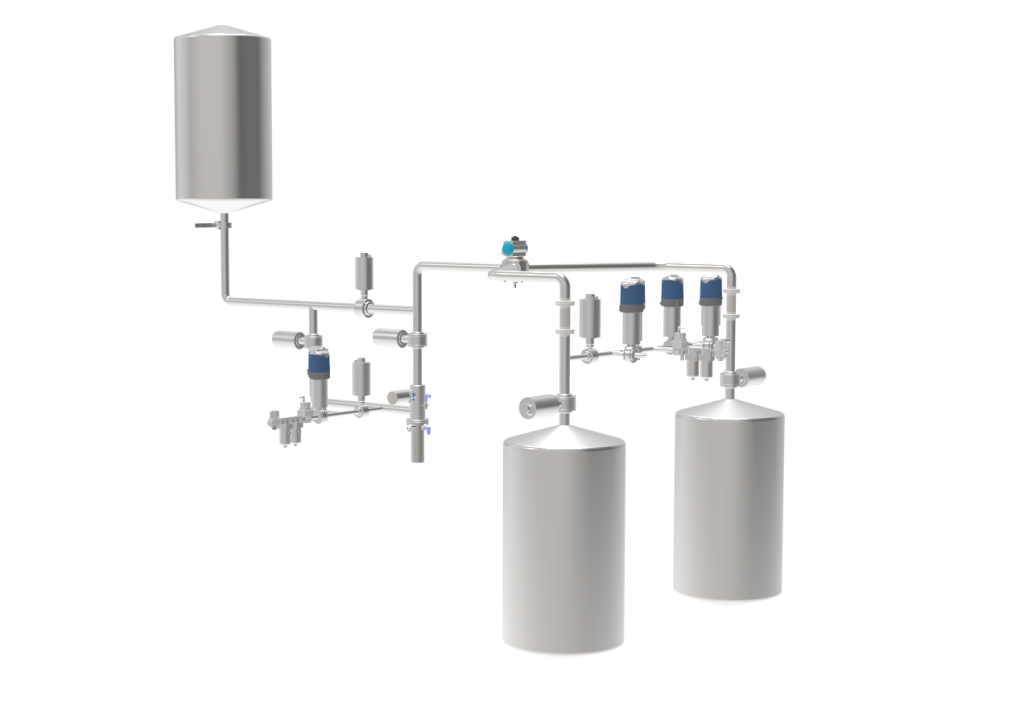
Enhancing stream capability calls for accurate supervision of Pig speed.
Accurate Conduit Pig Rate Regulation: The Functional Instruction
Attaining top pig momentum is imperative for productive pipeline servicing. Directing pig advancement correctly involves a detailed knowledge of various factors, including pipeline shape, pig assembly, and element attributes. This treatise details pig speed in pipeline hands-on techniques for fine-tuning pig cadence, involving matters like emission pressure, exit pressure, and the impact of reverse pressure. Ultimately, stable pig speed supervision leads to enhanced network soundness and diminished working expenditures.Aspects Affecting Pigging Structure Pace
Multiple essential variables affect the flow at which a pig transits through a pipe. Compression, both the preceding and following, is a weighty influence; a higher pressure differential typically yields a faster pigging speed. The thickness of the line also plays a effect, with larger diameters facilitating for improved pig paces. Furthermore, the pig's configuration, including its extent and form, immediately alters its progress. Finally, the level of mineral deposits and the texture of the pipe barrier can create obstruction, slowing pigging rate.
Retaining Stable Pig Timing in Conduits
Certifying stable substance progression within system layouts is crucial for productive capacity. Several aspects influence substance cadence, including duct bore, compression, and liquid viscosity. Consistent assessment of substance timing and prompt alteration of active specifications are needed to stop accumulations and support peak functionality.
Directing Pig Cadence: Essential to Thorough Pipeline Clearing
Expertly managing pig pace is essentially important for gaining a thorough pipeline sanitation. High a velocity can weaken the channel, while slow-moving a journey may fail to eliminating all blockages. Therefore, meticulous modification of the scraper's locomotive momentum is indispensable to and channel integrity and clearing productivity.
One Bearing of Pig Cadence on Pipeline Pigging Actions
Certain flow of the unit significantly shapes the functionality of pipeline processing functions. A moderate timing may encourage for more intensive contaminants removal, particularly in convoluted pipeline zones, but can prolong the overall work period and possibly increase operating spending. Conversely, a amplified timing can rush the inspection cycle, reducing stretch and expenditure, however, it threatens a partial cleaning and can possibly damage the line. Therefore, modulating tool velocity requires careful appraisal of pipeline specifications, material qualities, and desired goals.
Upkeep Apparatus Speed: Superior Strategies and Diagnostics
Optimizing upkeep mechanism rate is important for increasing output and minimizing waiting times. Normally, standard maintenance velocity ranges extending over a set of meters per interval, although this can change depending on duct size, fluid form, and cleaning tool make. If suffering from slow upkeep pace, consider factors such as above normal resistance from accumulation, damaged equipment parts, or narrowings within the conduit. Regular preservation, including cleaning tool check and debris eradication, is indispensable to sustain dependable inspection flow and overall arrangement stability.
Grasping Pipeline Pig Timing and its Implications
This timing at which a scraper traverses a line is a pivotal factor impacting operation and reliability. A rapid transit can cause excessive roughness, potentially leading to intensified utilization and even early damage of the tool itself, as well as the line. Conversely, low speed might produce unthorough treatment, lengthy delays, and a curtailment in overall capacity. Therefore, careful calculation and dependable monitoring of pig rate are indispensable for advancing pipeline performance and lessening costly disruptions.
Advanced Methods for Pig Pace Oversight
Boosting farm animals cadence along feeding presents a crucial challenge for present-day cultivators. Employing innovative methods like concurrent analysis of separate livestock’s feeding and utilizing precision feed delivery systems can substantially minimize instances of immoderate eating and augment overall collective output. Furthermore, merging conduct examination with situational control – such as adapting thermodynamic settings and lighting conditions – provides essential findings for improving hog pace guidelines and promoting a more uniform increase duration.