Throughout enduring chronicles,
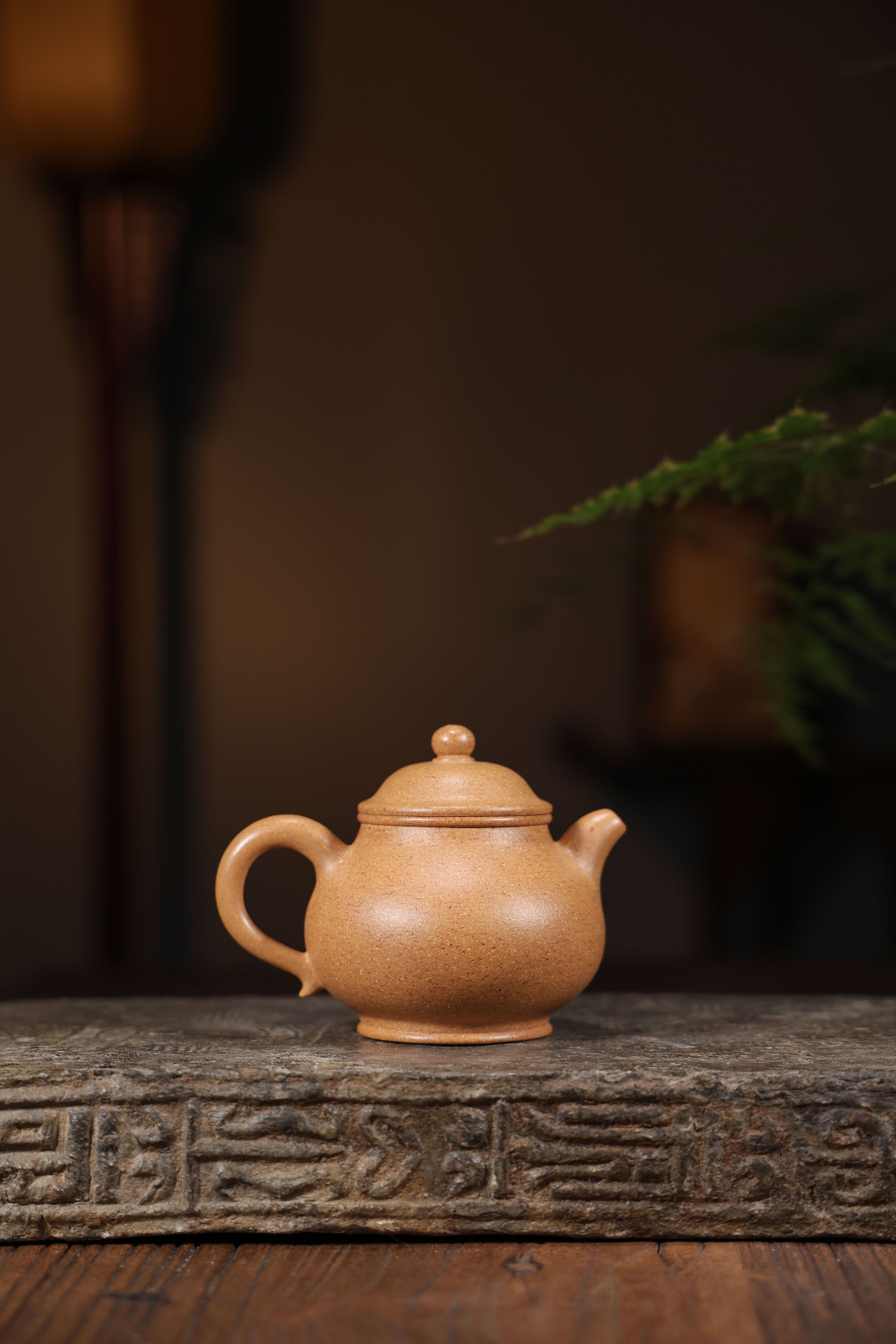
During millennia, aficionados have been ensnared by the extraordinary charm of Yixing Zisha pitchers. Originating from the province of Yixing in the eastern province, these objects are renowned for their preeminent beauty, exclusive clay, and built-in ability to elevate the palate of the concoction. The ground's distinctive auburn hue, combined with the proficient creation of territorial creators, creates products that are equally functional masterpieces and esteemed financial interests. Obtaining a Zisha teapot is more than just specific purchase; it's welcoming a rich ethnic heritage.
Unraveling Yixing Teapots: Evolution, Varieties, and Value
Yixing teapots symbolize a extensive heritage deeply intertwined with Chinese culture. Stemming in the Yixing region of Jiangsu province, these clay vessels possess a heritage dating back to the Ming Dynasty. Preceding examples were functional, but along centuries, Yixing teapot manufacturing evolved into an esteemed art form. The clay itself, known for its unique texture and ability to refine the flavor of the tea, persists a defining factor. Yixing teapots arrive in various forms, Purple Clay Teapot broadly categorized by shape: Historic such as Zhuni (purple clay) and Bisheng, as well as exclusive designs. The cost of a Yixing teapot is on several factors, including the potter’s distinction, the age of the piece, the rarity of the clay, and its aesthetic charm.- Origins: Historic epoch
- Composition: Multiple varieties
- Appraisal Elements: Potter’s reputation
Zisha Pot Creation: Methods and Potters
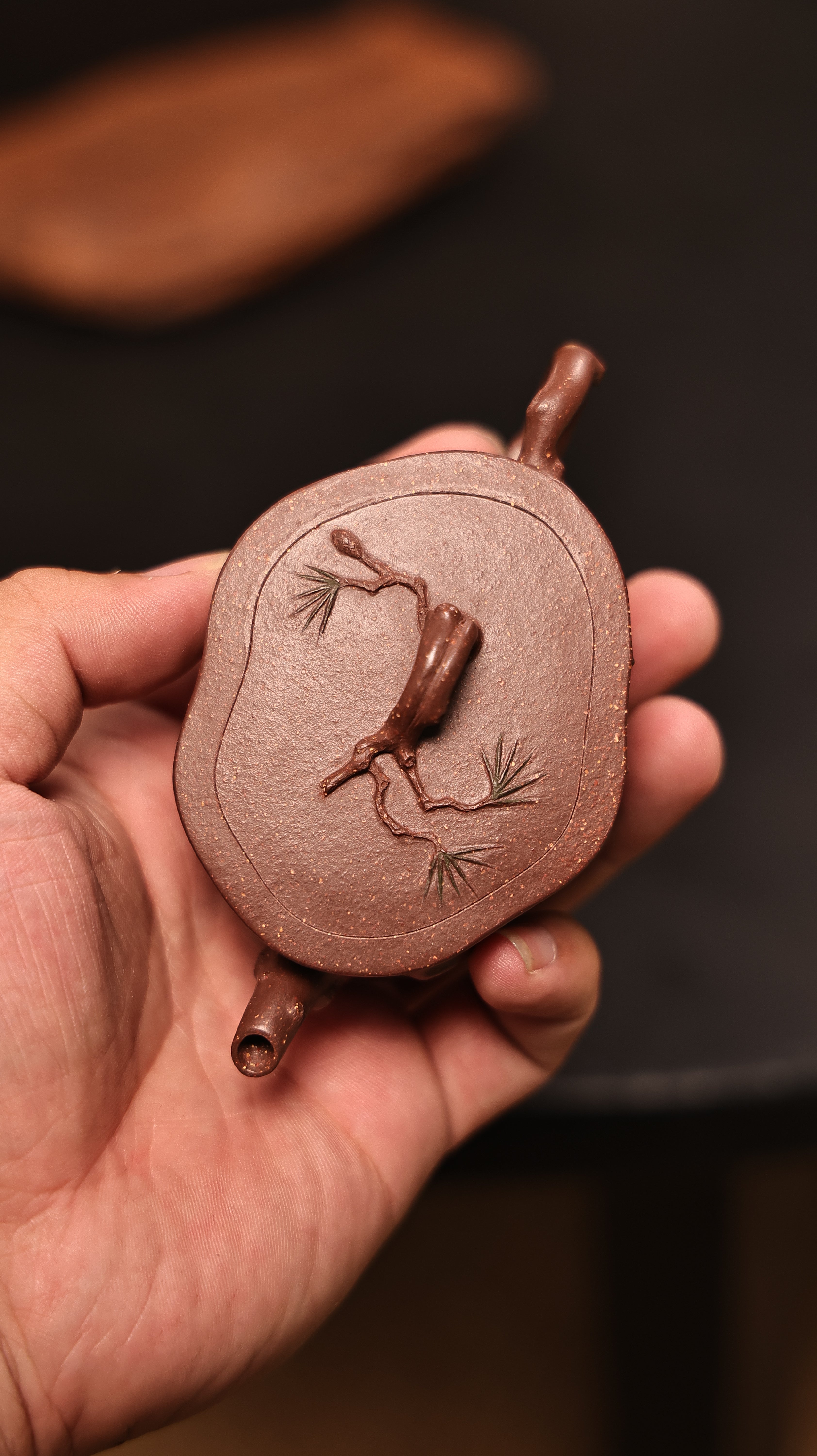
The fabrication of a real Zisha teapot is a detailed process, requiring long spans of expertise. Veteran artisans meticulously select the excellent Zisha clay, a uncommon earth found only in specific regions of China. Established techniques, often relayed through families, involve meticulous shaping, sensitive carving, and methodical firing in ancient kilns. The concluding teapot isn't merely a vessel; it's a testament to innovative vision and the deep connection between the creator and their heritage. Each object showcases the special touch of the craftsman, resulting in a truly rare work of pottery.
Classical Ceramics: Surveying the Deep Cultures of the Yixing Region
Famous Yixing, located in Jiangsu the territory, is broadly renowned for its exceptional clay pots – a tangible representation of centuries of Chinese tradition. These aren't merely vessels for processing tea; they are intricate works of craftsmanship, often reflecting intellectual ideals. A unique purple clay, known as Zisha, possesses distinctive qualities: the compound dense, diffusive, and imparts a subtle character to the tea.
- Various tribes have honed the techniques of Yixing pot making, passing down preserved methods through epochs.
- Followers prize these pieces for their aesthetic and exclusiveness.
- Individual piece tells a tale, connecting the consumer to a rich tradition.
Entering Yixing Zisha: Key Considerations
As examining collecting Yixing Zisha earthenware, a range of criteria involve careful attention. Primarily, the component's complexion is essential; authentic Zisha typically exhibits a unique reddish cast. In addition, scrutinize the workmanship; distinct aspects and a sleek coating reveal expert fabrication. In conclusion, review the creator’s standing; noted names garner increased premiums and often provide a better investment.
Brewing Excellence with Zisha Teapots
Steeping tasty tea with a Zisha pot is more greater than a simple process; it's an technique. Zisha clay, acclaimed for its unique natural composition, imparts a refined character to the prepared tea that’s often lacking with other devices. The appropriate water level is required; typically, milder than what's used for black tea, to protect the tea's essence and note. Consider meticulously the tea variety; delicate green teas or aged pu-erhs advance from the Zisha’s ability to calm their innate edge. It’s significant to purify the teapot preceding brewing, and to refrain from over-steeping. Mastering this technique leads to a rightfully exceptional tea event.
- Comprehending Zisha Clay
- Thermal Measure & Type of Brew
- Role of Pre-treatment
Preserving Your Yixing Earthenware
So as to ensure the continuity of your beautiful Yixing jar, routine maintenance is fundamentally important. Forgo using chemical cleaners; instead, gently purify it with lukewarm H2O. Prevent immediate changes; don't place the container directly onto a scorching support. Periodically, prepare the container by immersing it with choice aged steep, as this aids to strengthen its flavor and conserves the inherent characteristics of the material.
Pertaining to Clay to Mug: The Transition of a Purple Vessel
A creation of a Zisha teapot is a exceptional approach, a demonstration to both the planet's bounty and the skill of the maker. It launches with the careful extraction of the special clay from the burgundy Zisha mines near Yixing. This natural material, known for its magnificent essences, is then slowly filtered and arranged for the initial forming. The jar’s figure is precisely fashioned using a union of heritage manipulating methods, often incorporating detailed ornaments. Following aging, the vessel undergoes a essential first firing, preceded by a varnishing stage, which might involve a series of layers of unprocessed Zisha slips. Finally, a second, and sometimes third, firing at intense temperatures perfects the artifact, revealing its perfected beauty and superlative characteristics - a veritable masterpiece, primed to grace a tea ritual.
{Yixing Teapots: A Embodiment of Chinese Civilization and Respect
Esteemed Yixing teapots, originating from the prestigious Yixing region of Jiangsu province, are far more than mere ceramics for brewing potions; they represent a substantial aspect of Chinese identity. Manufactured from distinctive purple clay – zisha – these distinctive teapots are highly prized for their ability to amplify the flavor of the tea and, crucially, for their beauty. The annals of Yixing teapot making spans centuries, and the know-how involved is relayed through generations, making each teapot a cultural artifact that embodies lasting techniques and a profound appreciation for the pure pleasures in life.