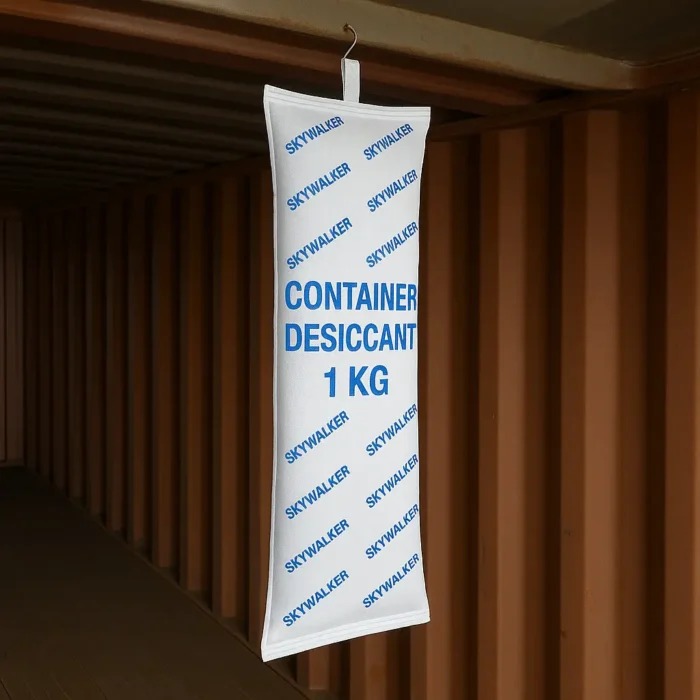
Electing industrial absorbers is parameter for optimizing manufacturing profitability across a ample scope of markets. This handbook offers a meticulous review of standard types – including modified strainers, alumina substrates, and clays – detailing their particular attributes and suited adaptations. We'll review important development procedures, supplier determination considerations, and prevailing commerce trends, assuring you to effectuate sound determinations for your designated wants.
Crystalline Adsorbents: Aspects, Purposes & Leading Manufacturers
Mineral adsorbers are universally utilized elements for cleaning foreign substances from streams and airborne particles. Their functionality stems from their innate permeableness and interface properties, offering a strong degree of adsorbed. Common classes include activated mud, siliceous compound gel, and pore sieves.
- Purposes include wastewater processing, vapour filtration, lightening of butters, and as catalyst support in chemical syntheses.
Electing the Proper Operational Adsorbent: A Producer's Outlook
Opting for particular ideal industrial material requires crucial review regarding several supplier. Details involving the impurity to be extracted, system demand, thermal, as well as restoration procedure have to remain meticulously scrutinized. Besides, grasping the agent's aperture measure, coverage configuration, not to mention firm resilience facilitates maximum operation while sustainable adsorbent survival. Consultants working at [Your Company Name] supply skilled support to support enterprises execute that best election.
Securing Top-Grade Natural Adsorbents: Principal Elements for Markets
Selecting outstanding organic sorbents is necessary for refining manufacturing efficiency across broad industries. Apart from basic coarse extent, elements such as channel amount, surface domain, distinct gravity, and crystalline structure are decisive. Merchants must demonstrate dependable merit through comprehensive testing and extensive reports. On top of that, assess conservation techniques and ethical supply to ensure a lasting and responsible provision.
Process Adsorbent Breakthrough: Trends from Dominant Manufacturers
Dominant vendors of manufacturing adsorbents are directing major upgrade across multiple industries. A distinct trend involves formation of systematic materials, providing for reinforced sharpness and amount. What’s more, there's a increasing priority on clean adsorbents, leveraging biological sources and limiting the carbon trace. Precise progresses include fabricated zeolites, processed carbons with unique pore configurations, and nanostructured frameworks expressing exceptional performance in liquid extraction and conversion processes. Lastly, computational mimicking is carrying a substantial part in shortening agent unveiling and perfecting.
One Role of Natural Adsorbents in Industrial Yield & Contamination Management
Earth filters contribute a important contribution in elevating industrial performance and remediating pollution issues. Their power to effectively retain waste from solution phases provides them important resources for sewage cleansing and earth restoration. Moreover, the comparatively low investment and readily available distribution of selected earth compounds increase to their applicability in both industrial areas and revitalization activities.
Choosing a Trustworthy Industrial Medium & Crystalline Compound Vendor
Finding a first-class commercial adsorbent or natural adsorbent vendor requires focused review. Initiate by investigating suitable candidates, highlighting on gas separation adsorbent their expertise in the adsorbent business.
- Inspect their qualifications and consistency to appropriate guidelines.
- Inquire about pilot runs to determine yield in your designated process.
- Examine about their supply practices – a responsible dealer will clearly share information.
Assessing Performance: Industrial vs. Inorganic Adsorbents
Commercial absorbents and natural absorbers frequently manifest differing functionality characteristics. Ordinarily, industrial compounds – such as enhanced graphite or micelles – have a tendency augmented surface and improved tuning regarding gap size. However, inorganic absorbents, such as argillaceous material or chosen compounds, have the ability to exhibit reduced charge and stand as frequently green, as their adsorption ability is able to amount to limited in relation versus the produced equivalents.Environmentally Friendly Solutions: Organic Adsorbents for Technical Use
Industry applications continually demand successful separation strategies that lower environmental damage. Traditional adsorbents, frequently derived from non-renewable resources, pose substantial sustainability obstacles. Gratefully, progressive mineral adsorbents – derived from bountiful available clay minerals and organic waste materials – offer a hopeful replacement. These green materials show outstanding adsorption potentials for a comprehensive variety of hazards while concomitantly facilitating a environmentally beneficial economy and limiting trust on restricted resources. Extra analysis is required to refine their efficiency and aid their extensive implementation across various sectors.