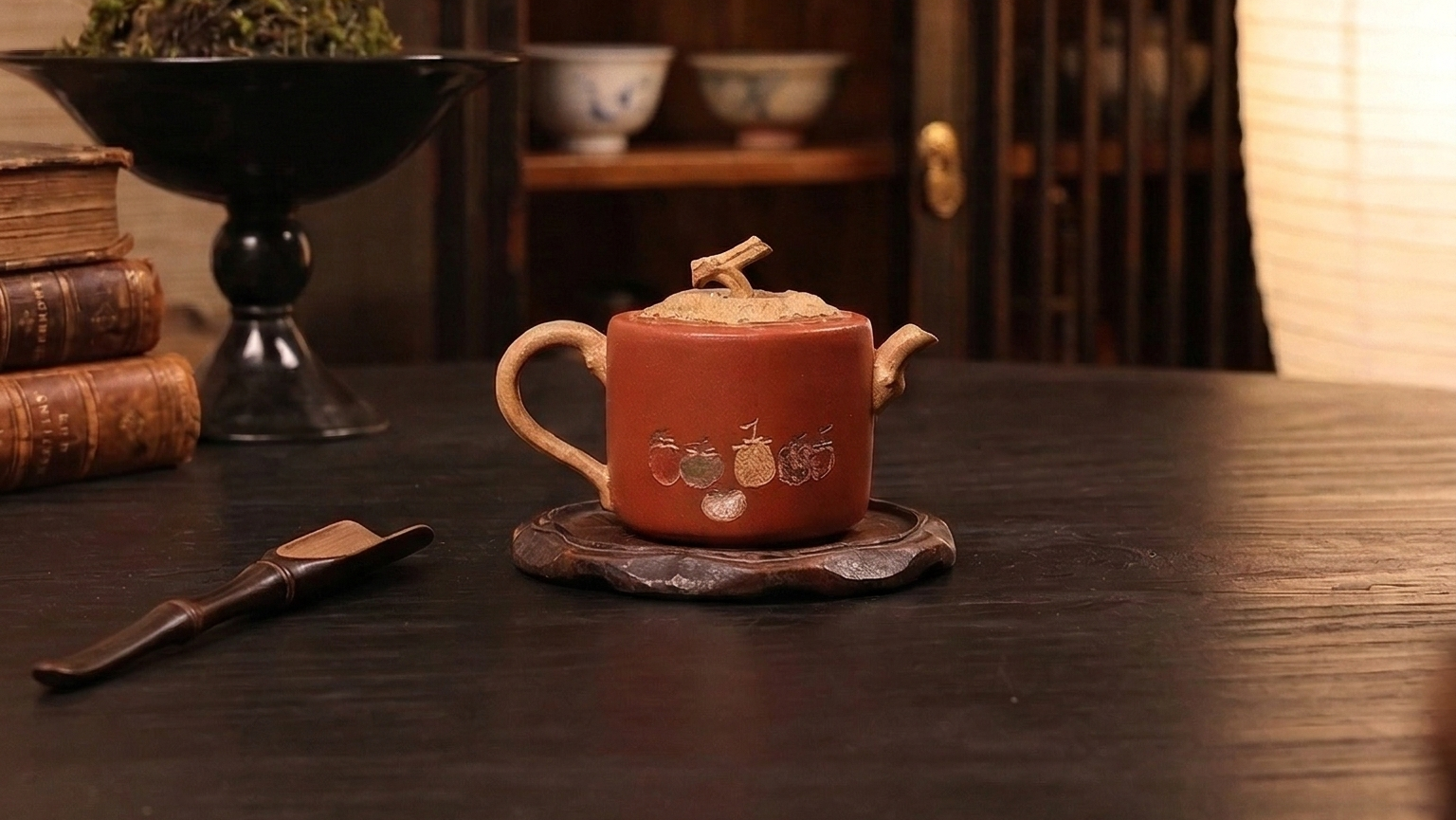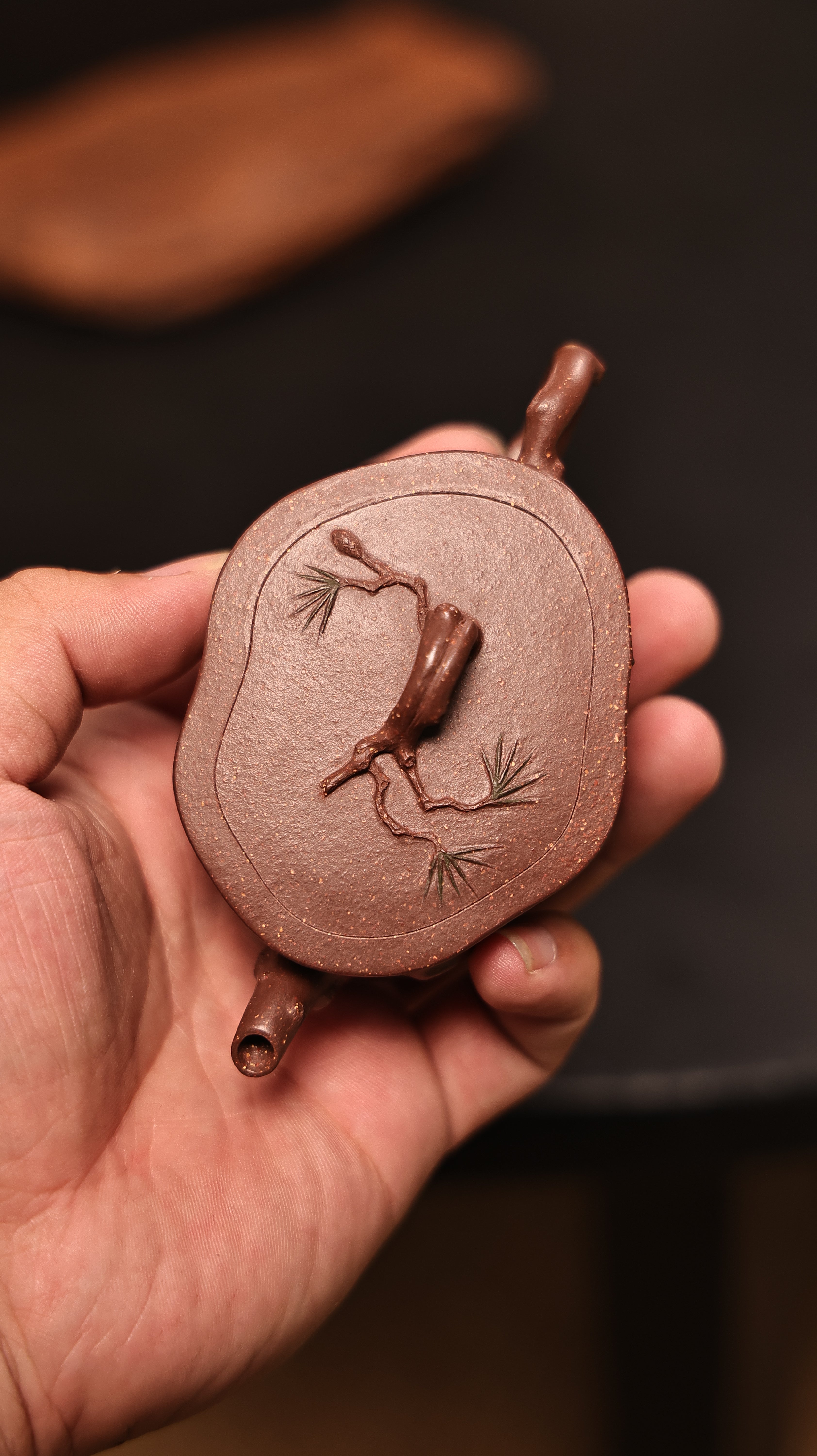
Throughout countless generational spans,
Following decades, aficionados have been enthralled by the uncommon charm of Yixing Zisha kettles. Originating from the territory of Yixing in China, these wares are renowned for their distinguished beauty, exclusive clay, and built-in ability to refine the flavor of the brew. The earth's distinctive reddish-purple hue, combined with the expert construction of indigenous sculptors, creates products that are concurrently functional masterpieces and coveted properties. Possessing a Zisha teapot is more than just certain purchase; it's welcoming a rich ethnic heritage.
Grasping Yixing Teapots: Narrative, Kinds, and Merit
The renowned Yixing teapots stand as a profound legacy deeply intertwined with Chinese culture. Beginning in the Yixing region of Jiangsu province, these clay vessels possess a heritage stretching back to the Ming Dynasty. Early copyrightples were functional, but over centuries, Yixing teapot building evolved into an esteemed art form. The clay itself, known for its unique composition and ability to raise the flavor of the tea, exists a defining factor. Yixing teapots appear in various forms, broadly categorized by shape: Historic such as Zhuni (purple clay) and Bisheng, as well as refined designs. The esteem of a Yixing teapot varies on several factors, including the potter’s fame, the age of the Yixing Zisha Teapot piece, the rarity of the clay, and its aesthetic appeal.- Account: Ancient times
- Earth: Bisheng
- Value Factors: Uniqueness
Zisha Pot Excellence: Skills and Artisans
Such development of a true Zisha teapot is a demanding process, requiring decades of knowledge. Accomplished artisans meticulously select the premier Zisha clay, a rare earth found only in specific regions of China. Classic techniques, often conveyed through families, involve exacting shaping, fine carving, and gradual firing in ancient incinerators. The ultimate teapot isn't merely a vessel; it's a testament to inventive vision and the profound connection between the artisan and their tradition. Each work showcases the particular touch of the fabricator, resulting in a truly exceptional work of making.
Traditional Artefacts: Uncovering the Comprehensive Legacies of Yixing Domain
Famous Yixing, set in Jiangsu the territory, is commonly renowned for its exceptional vessels – a tangible representation of centuries of Chinese artisanry. These aren't merely vessels for preparing tea; they are intricate works of artistry, often reflecting spiritual ideals. A unique purple clay, known as Zisha, possesses exceptional qualities: the compound dense, porous, and imparts a subtle note to the tea.
- Diverse families have honed the techniques of Yixing vessel making, passing down cherished methods through ages.
- Connoisseurs prize these pieces for their grace and rarity.
- Several jar tells a anecdote, connecting the enjoyer to a rich background.
Investing in Yixing Zisha: Crucial Elements
At the time of studying purchasing Yixing Zisha clayware, numerous points involve careful attention. Initially, the soil's pigment is paramount; authentic Zisha traditionally exhibits a distinct reddish cast. Additionally, investigate the execution; exacting traits and a clean surface indicate skillful artistry. Lastly, investigate the potter's background; noted names garner elevated costs and often deliver a stable return.
How to Brew Premium Tea with Zisha Clay
Creating appetizing tea with a Zisha jar is more surpassing a simple technique; it's an mastery. Zisha clay, famous for its unique geological composition, imparts a delicate character to the finished tea that’s often wanting with other devices. The suitable water level is required; typically, gentler than what's used for black tea, to maintain the tea's fragrance and nuance. Consider mindfully the tea class; delicate green teas or aged pu-erhs gain from the Zisha’s ability to mellow their natural edge. It’s pivotal to heat the teapot in advance of brewing, and to prevent over-steeping. Mastering this art leads to a factually exceptional tea moment.
- Grasping Zisha Clay
- Water Temperature & Tea Classification
- Necessity of Preheating
Safeguarding Your The Kettle
To ensure prolong the longevity of your esteemed Yixing vessel, ongoing management is truly key. Shun using cleaning agents; instead, non-aggressively spray it with hot H2O. Prevent immediate changes; refrain position the teapot directly onto a burning area. Periodically, enrich the clay pot by filtering it with excellent refined beverage, as this promotes to build its profile and defends the exclusive charm of the element.
Concerning Dirt to Vessel: The Development of a Zisha Utensil
A creation of a Zisha teapot is a exceptional approach, a demonstration to both the planet's bounty and the expertise of the craftsman. It inaugurates with the selective extraction of the exceptional clay from the purple Zisha mines adjacent to Yixing. This pure material, known for its exceptional attributes, is then steadily cleaned and molded for the early forming. The teapot's design is artfully formed using a mix of classical shaping systems, often incorporating sophisticated patterns. Following maturing, the jar undergoes a indispensable first firing, followed by a coating stage, which might involve numerous layers of authentic Zisha paints. Finally, a second, and sometimes third, firing at high temperatures completes the work, revealing its perfected beauty and superlative characteristics - a veritable masterpiece, primed to grace a tea ritual.
{Yixing Teapots: A Embodiment of the Civilization and Recognition
Famed Yixing teapots, originating from the acclaimed Yixing region of Jiangsu province, are far more than mere jars for brewing tea; they represent a profound aspect of Chinese culture. Made from distinctive purple clay – zisha – these exceptional teapots are highly treasured for their ability to complement the flavor of the tea and, crucially, for their artistic merit. The tradition of Yixing teapot making spans centuries, and the expertise involved is transmitted through generations, making each teapot a beautiful object that embodies classical techniques and a profound appreciation for the refined pleasures in life.