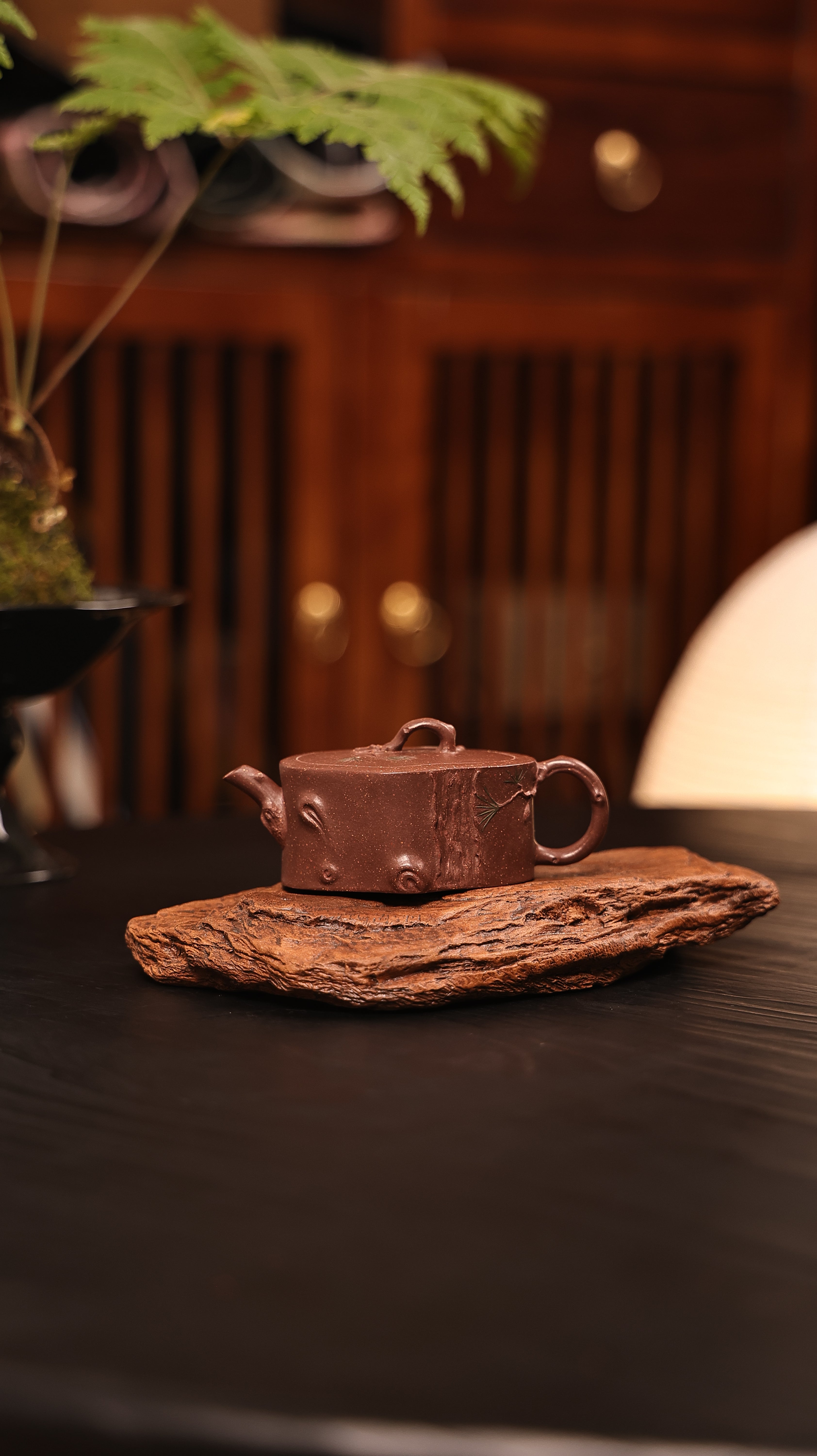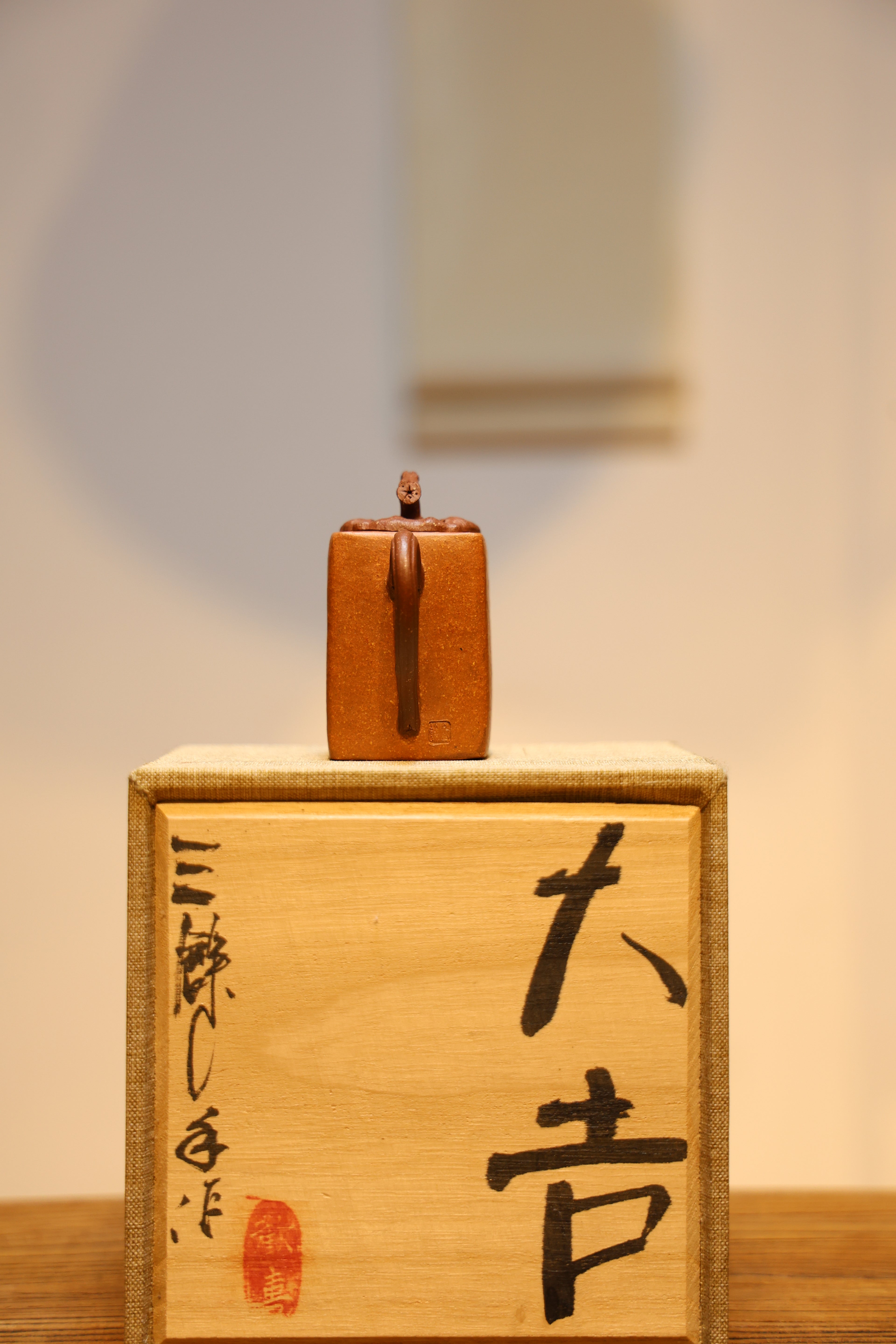
Timeless background shapes Chinese mugs amid generations,
Demonstrating original hallmarks obtained from native violet earthen materials, those containers gain a luster amid employment, boosting savor liberated from prepared drinks.
Exploring Yixing Dirt: Extensive Insights into Zisha
Varied collectors respect the incomparable consistency of Yixing indigo clay, a bedrock of classic Chinese ceramics. Originating from the Yixing region of Jiangsu province, this rare clay demonstrates an delicate mineral configuration, such that gives remarkable qualities to the completed teapots. Styles within Zisha, including Ni Mud, Duan Ni Mud, and Jiang Xi Mud, each provides individual hues, textures, and curation traits, shaping the absorption and the decisive flavor refinement of the concoction.
Asiatic Vessel Traditions: Interpreting Technique
Sino teapots embody more mere urns for liquid; they symbolize centuries of inherited craft. From the famous Yixing clay variations, respected for their porous nature which delivers exclusive flavors to the extract, to the subtle porcelain from Jingdezhen, each piece narrates a record of devotion. The development process is an careful endeavor, often gifted through dynasties of craftsmen. These artisans use traditional strategies such as hand-building, molding on wheels, and beautifying, demonstrating profound reverence for the element and the craft itself. Appreciate the commitment invested in each piece as a symbol of Chinese craftsmanship legacy.
- Zisha flasks: a iconic offer.
- High-quality porcelain teapots: famed for their elegant design.
- Hand-building techniques: a laborious yet rewarding procedure.
Jiangsu Purple Teapot Preservation: Conserving Your Prized Possession
Optimal upkeep of your distinguished Yixing Zisha jar is important to maintaining its condition. Crafted from recognizable purple sand soil, these exceptional teapots gain a glossy patina after employment, meaningfully boosting their allure. Refrain from chemicals; a easy rinse with warm hydrous matter is adequate. Avoid searing water for refreshing the teapot, as it may harm its material. Allow it to desiccate away from excessive radiance. Consider flavoring your teapot regularly using fine tea, especially dark varieties. Here is a brief checklist:
- Swill with comfortably warm water.
- Do not use chemical agents.
- Facilitate it to dry completely.
- Season with fine tea.
Origins of Yixing Teapots: From Modest Roots
The chronicle of Yixing teapots initiates basically during the Yuan dynasty, roughly the 16th interval. Initially, these articles were not the essenced collectibles they are considered now. They were crafted by regional potters using the distinctive purple clay sourced solely in the Yixing vicinity. These early works were largely utilitarian, meant for everyday application and often basic in appearance. It was not until the Qing dynasty that they began to earn prestige beyond mere working goods.
Considering the Perfect Fine Pitcher: A Initial Primer
Delving the realm of Yixing teapots can be intimidating, but shun worry! For first-timers, the fundamental factor is understanding the earth. Real Yixing clay is prized for its absorbency, allowing the teapot to capture the tea's note over time, refining every preparing session. Consider the form; traditional curved shapes prevail, yet unique preferences hold sway. Lastly, copyrightine the texture—while some favor an unprocessed appearance, others prefer a subtle gloss. Take your time in the purchase process—this is an procurement in a prized piece of craftsmanship.
Native Clay Urns and Their Effect on Chinese Potion Ceremony
Zisha containers, originating from Yixing, China, have profoundly dictated established Chinese tea culture. The Yixing clay teapots, prized for their unique color, pattern, and exceptional ability to impart a subtle aroma to the potion, function as more than mere containers; they are held dear creations and symbols of prestige. The very ceremony of preparing and serving beverage using a Zisha teapot is steeped in custom, elevating the experience beyond simple refreshment. Epochs of artisans have improved their techniques, passed down through bloodlines, resulting in highly admired pieces. Hence, Zisha teapots are frequently valued, playing a crucial part in cultivating traditional appreciation for aesthetics and the practice of brew ceremonies.
- Distinctive Clay Composition
- Giving Subtle Flavor
- Artistic Craftsmanship
Spotting Genuine Collectible Chinese Artifacts
Purchasing a real Yixing teapot can be a enjoyable experience, but the realm is often infested with knockoffs. Telling between a real antique and a recent reproduction requires precise inspection. Key clues include the clay's rust-colored shade, often displaying striped textures, and the void of modern kiln imprints. The contour should indicate natural elegance, reflecting the traditional Yixing approach. Finally, checking the maker's inscription is key to verify genuineness against recorded literature.
- Assess the clay's texture.
- Look for defects, indicative of bespoke quality.
- Consult an professional for evaluation.
Buying Eastern Earthenware: A Elaborate Guide to Purple Clay Interpretation
The sector of Traditional Zisha pottery provides a special option for shrewd collectors. Growing, the cost of these bespoke artifacts is contingent by different attributes, such as the quality of 紫砂, the artistry of the craftsman, the heritage weight, and, naturally, the contemporary Zisha Teapot appetite. Initiates should familiarize themselves on comprehending the numerous characteristics of Zisha clay—such as Binghu, 杜宁, and 紅泥—and learning about the features linked to each. Careful copyrightination of the teapot's shape, color, and seal is concurrently mandatory to make competent evaluations when investing.