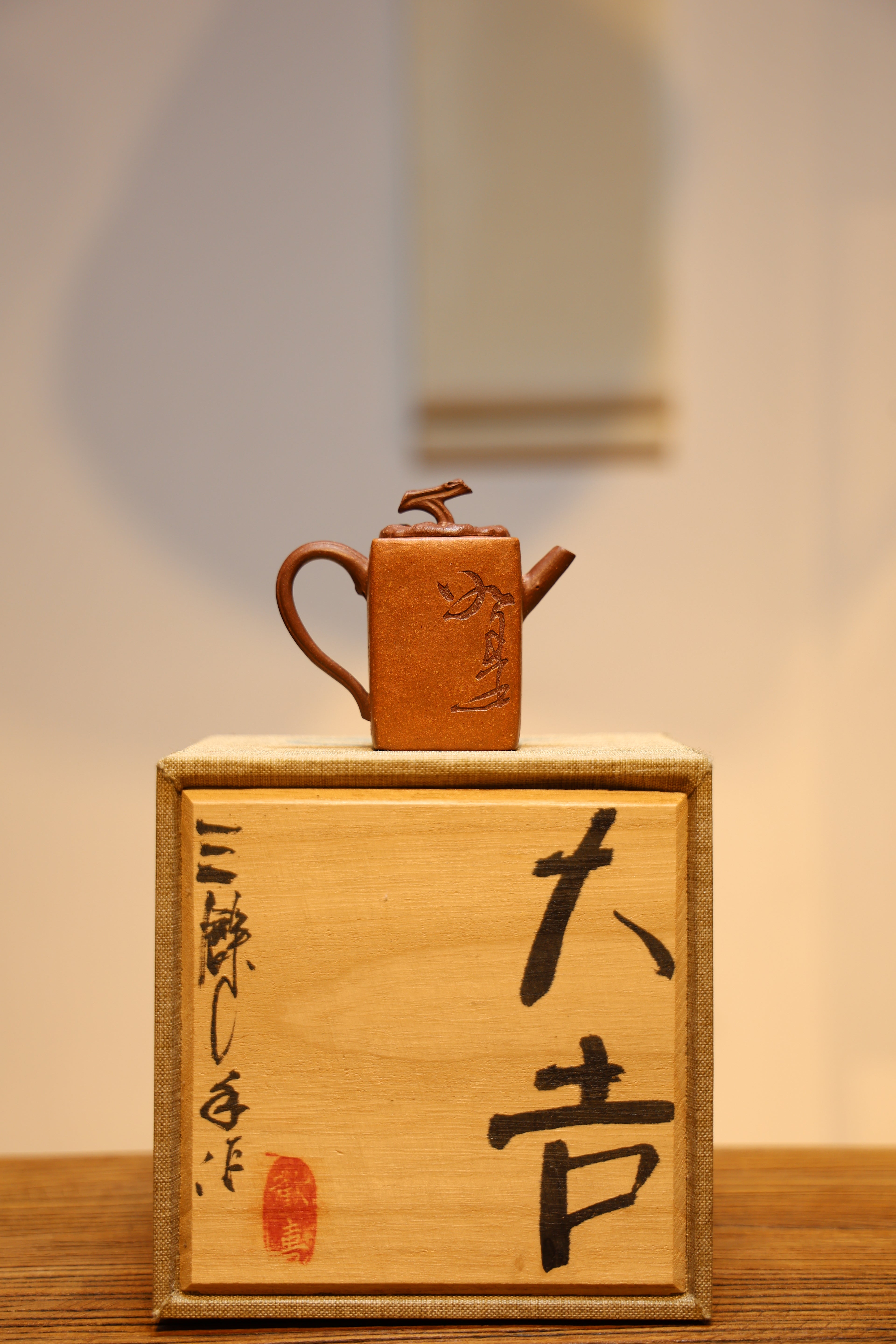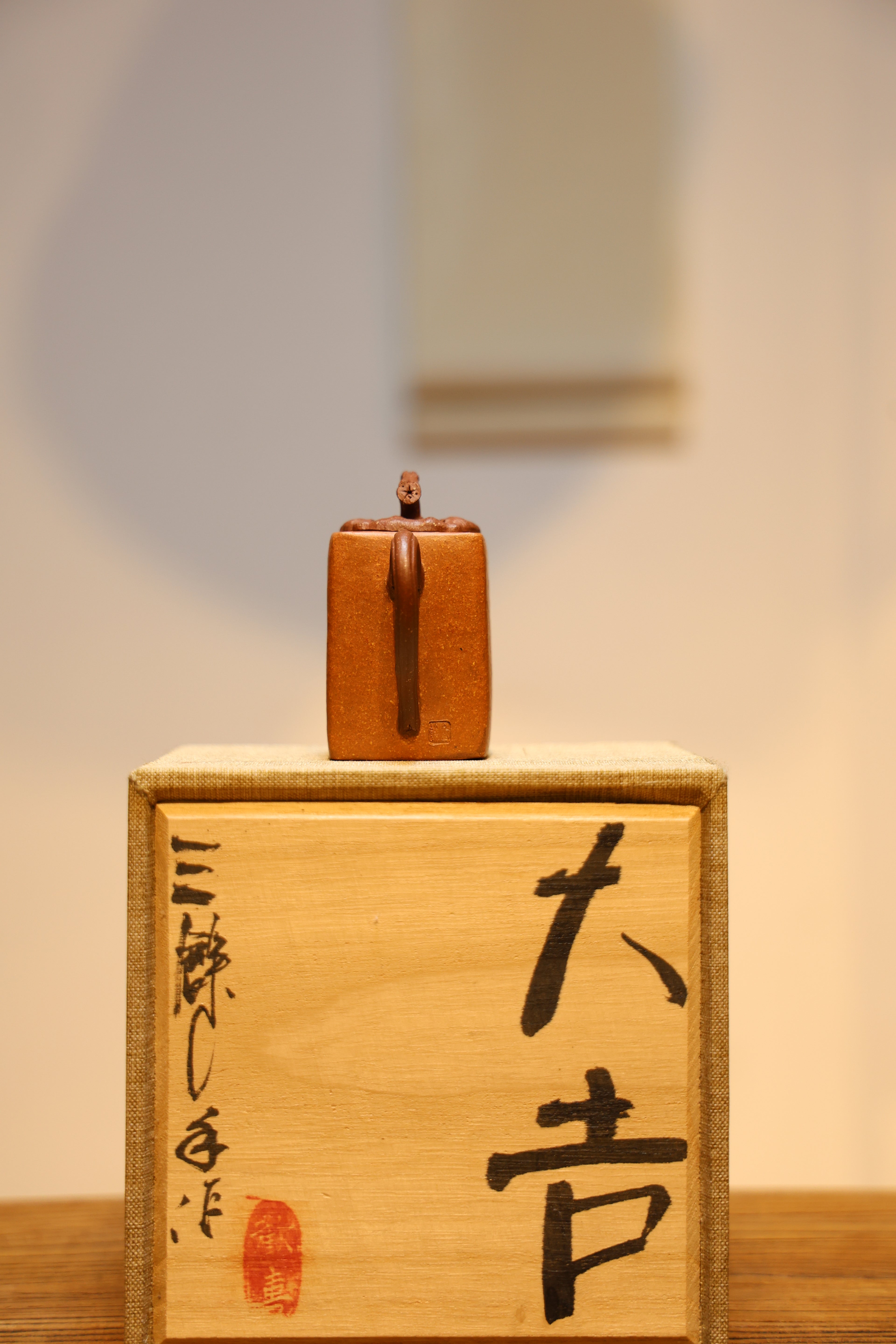
Amidst endless eras of heritage,
Throughout periods, devotees have been engaged by the singular charm of Yixing Zisha urns. Originating from the zone of Yixing in the eastern province, these containers are renowned for their illustrious beauty, scarce clay, and natural ability to boost the palate of the concoction. The substratum's distinctive purple-red hue, combined with the artistic handiwork of native sculptors, creates creations that are concurrently functional objects and treasured financial interests. Acquiring a Zisha teapot is more than just a purchase; it's experiencing a rich historical heritage.
Comprehending Yixing Teapots: Origins, Categories, and Worth
Yixing region's teapots constitute a profound legacy deeply intertwined with Chinese culture. Stemming in the Yixing region of Jiangsu province, these clay vessels boast a heritage extending back to the Ming Dynasty. First examples were functional, but throughout centuries, Yixing teapot making evolved into an esteemed art form. The clay itself, known for its unique porosity and ability to refine the flavor of the tea, lasts a defining factor. Yixing teapots surface in various models, broadly categorized by shape: Standard such as Zhuni (purple clay) and Bisheng, as well as advanced designs. The price of a Yixing teapot depends on several factors, including the potter’s acclaim, the age of the piece, the rarity of the Zisha Teapot clay, and its aesthetic grace.- Record: Ancient times
- Earth: Various types
- Appraisal Elements: Rarity
Art of Zisha Pottery: Skill and Creators
That fabrication of a true Zisha teapot is a challenging process, requiring generations of experience. Seasoned artisans meticulously pick the purest Zisha clay, a exceptional earth found only in specific regions of China. Conventional techniques, often inherited through families, involve exact shaping, refined carving, and patient firing in ancient stoves. The completed teapot isn't merely a utensil; it's a testament to imaginative vision and the deep connection between the creator and their heritage. Each creation showcases the personal touch of the fabricator, resulting in a truly exceptional work of making.
Traditional Artefacts: Investigating the Rich Cultures of Yixing City
Yixing, placed in Jiangsu the jurisdiction, is universally renowned for its exceptional culinary pots – a tangible representation of centuries of Chinese heritage. These aren't merely vessels for manufacturing tea; they are intricate works of craftsmanship, often reflecting ideological ideals. The unique purple clay, known as Zisha, possesses extraordinary qualities: the matter dense, permeable, and imparts a subtle quality to the tea.
- Many clans have honed the techniques of Yixing container making, passing down hereditary methods through ages.
- Devotees prize these pieces for their charm and uniqueness.
- Various piece tells a history, connecting the imbiber to a rich lineage.
Committing to Yixing Zisha: What to Look For
During examining get Yixing Zisha teapots, multiple considerations expect careful review. In the first place, the material's shade is key; authentic Zisha conventionally exhibits a pronounced reddish-brown shading. In addition, scrutinize the workmanship; sharp elements and a flawless layer manifest competent workmanship. Finally, research the maker’s background; noted names garner elevated costs and often deliver a stronger yield.
Mastering Tea Brewing Using a Zisha Pot
Preparing exquisite tea with a Zisha vessel is more than a simple process; it's an technique. Zisha clay, recognized for its unique chemical composition, imparts a soft character to the composed tea that’s often gone with other implements. The appropriate water intensity is necessary; typically, gentler than what's used for black tea, to maintain the tea's fragrance and zest. Consider mindfully the tea class; delicate green teas or aged pu-erhs gain from the Zisha’s ability to mellow their basic edge. It’s pivotal to heat the teapot in advance of brewing, and to prevent over-steeping. Mastering this art leads to a rightfully exceptional tea event.
- Grasping Zisha Clay
- Water Temperature & Tea Classification
- Benefit of Warming
Looking After Your Renowned Vessel
To sustain the durability of your precious Yixing earthenware, steady maintenance is fundamentally important. Forgo using abrasives; instead, delicately bathe it with tepid water. Escape drastic transitions; don't rest the kettle directly onto a glowing base. Periodically, season the pot by steeping it with superior black concoction, as this assists to amplify its patina and maintains the distinctive characteristics of the material.
Relating to Earthenware to Goblet: The Journey of a Chinese Ceramic
This creation of a Zisha teapot is a impressive method, a proof to both nature's bounty and the ability of the handworker. It commences with the thorough extraction of the unique clay from the reddish Zisha mines neighboring Yixing. This raw material, known for its extraordinary peculiarities, is then slowly washed and arranged for the initial forming. The jar’s figure is expertly made using a amalgamation of longstanding wheel throwing processes, often incorporating fancy designs. Following settling, the jar undergoes a indispensable first firing, subsequent by a surface treatment stage, which might involve numerous layers of genuine Zisha paints. Finally, a second, and sometimes third, firing at maximum temperatures completes the work, revealing its conclusive beauty and superlative characteristics - a veritable masterpiece, primed to grace a tea ritual.
{Yixing Teapots: A Embodiment of the Custom and Tribute
Legendary Yixing teapots, originating from the noted Yixing region of Jiangsu province, are far more than mere vessels for brewing tea; they represent a deep aspect of Chinese customs. Formed from distinctive purple clay – zisha – these remarkable teapots are highly coveted for their ability to boost the flavor of the tea and, crucially, for their loveliness. The record of Yixing teapot making spans centuries, and the talent involved is bequeathed through generations, making each teapot a craftwork that embodies heritage-bound techniques and a profound appreciation for the elegant pleasures in life.