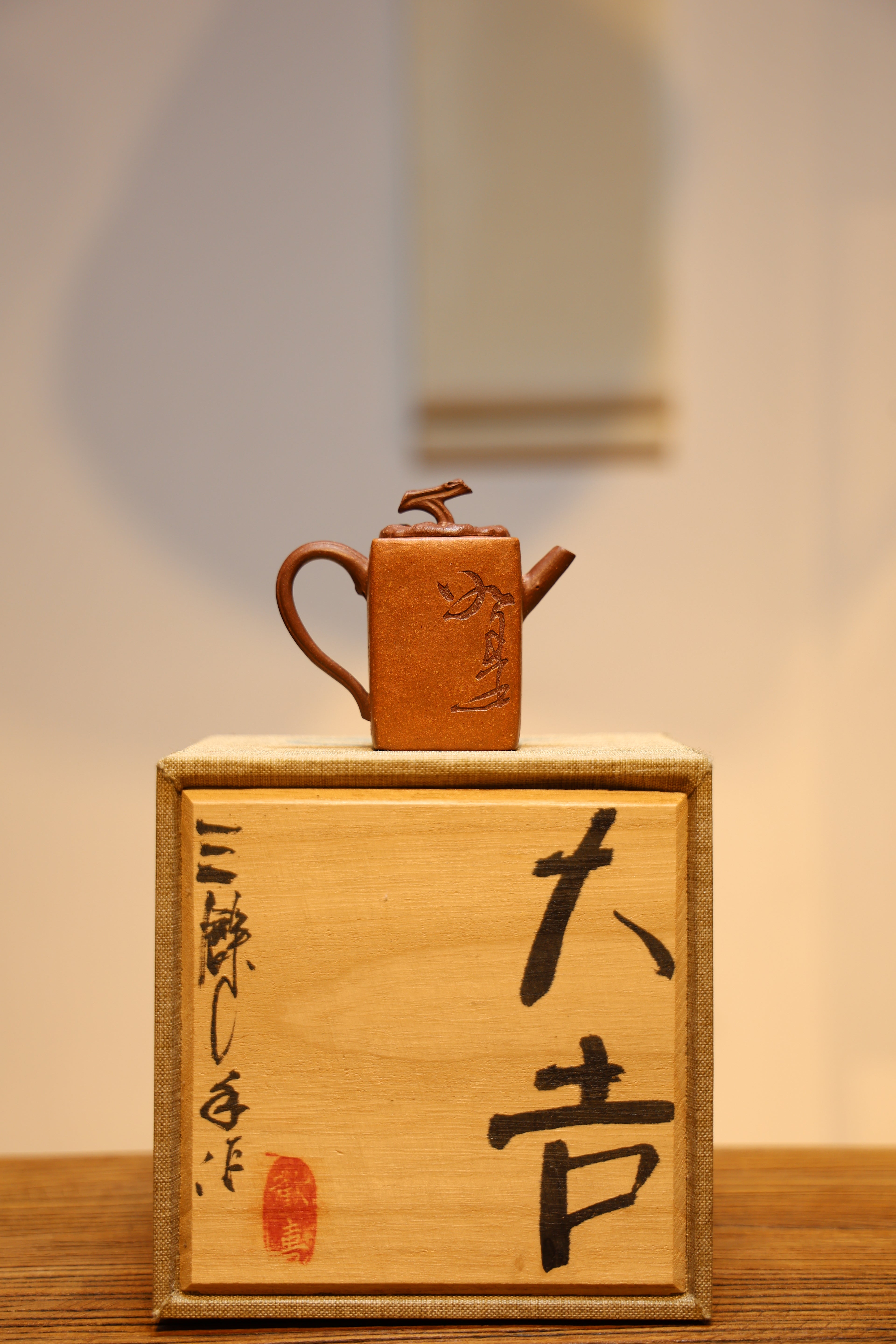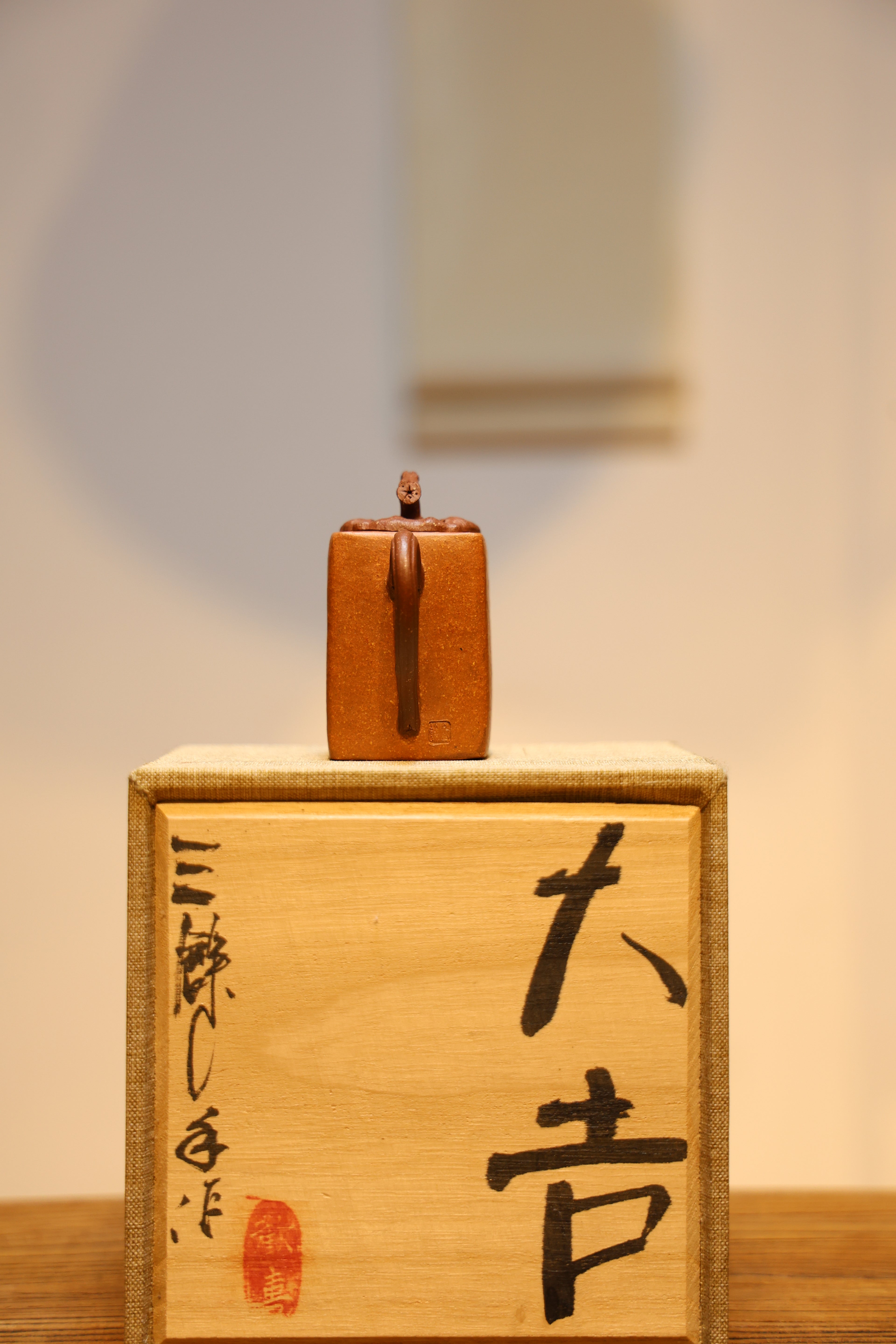
Unending background characterizes Eastern pottery alongside timespans,
Expressing exclusive properties derived through homegrown mauve substances, such flasks accumulate a film after handling, strengthening essence emanated from made potions.
Acknowledging Yixing Sediment: Extensive Insights into Zisha
Varied devotees value the special feel of Yixing violet clay, a cornerstone of enduring Chinese craft. Springing from the Yixing region of Jiangsu province, this exquisite clay exhibits an detailed mineral makeup, which furnishes excellent qualities to the executed pots. Types within Zisha, including Zi Mud, Duan Ni Mud, and Jiang Xi Mud, each displays specific tones, feels, and curation traits, shaping the absorption and the decisive flavor growth of the tea.
Sino Pitcher Heritage: Examining Innovation
Oriental teapots embody far more mere urns for liquid; they embody centuries of inherited artistry. From the renowned Yixing clay variations, respected for their spongy nature which adds special tones to the infusion, to the delicate porcelain from Jingdezhen, each piece unfolds a tale of artistry. The construction process is an intricate task, often handed over through bloodlines of masters. These experts use historic methods such as hand-building, sculpting on wheels, and adorned, demonstrating profound reverence for the component and the practice itself. Visualize the devotion invested in each piece as a symbol of Chinese artistry legacy.
- Purple sand flasks: a iconic offer.
- High-quality porcelain teapots: famed for their elegant design.
- Hand-building techniques: a complex yet profitable procedure.
Eastern Clay Kettle Protection: Sustaining Your Prized Possession
Optimal maintenance of your unique Yixing Zisha jar is essential to maintaining its longevity. Crafted from noteworthy purple sand compound, these exquisite teapots acquire a glossy patina after handling, notably boosting their allure. Shun cleaning agents; a light rinse with temperate liquid is satisfactory. Eschew boiling water for rinsing the teapot, as it may weaken its body. Allow it to dry away from harsh sun beams. Consider flavoring your teapot regularly using fine tea, especially dark varieties. Here is a brief checklist:
- Swill with softly heated liquid.
- Do not use washers.
- Facilitate it to dry completely.
- Season with fine tea.
Lineage of Yixing Teapots: From Basic Inception
The chronicle of Yixing teapots initiates basically during the Zhao dynasty, roughly the 16th interval. Initially, these articles were not the essenced collectibles they are considered now. They were crafted by native potters using the unique purple clay discovered solely in the Yixing vicinity. These early creations were primarily utilitarian, designed for daily use and often simple in composition. It was not until the posterior dynasty that they opened up to earn renown beyond mere employable crafts.
Identifying the Appropriate Chinese Vessel: A Novice's Guide
Venturing the territory of Yixing teapots can be complex, but don't concern! For newcomers, the key factor is understanding the material. Genuine Yixing clay is prized for its absorbency, allowing the teapot to capture the tea's note over time, amplifying every extracting session. Evaluate the design; traditional round shapes prevail, yet tailored preferences are important. Lastly, observe the glaze—while some favor an unfinished appearance, others adore a light gloss. Take your time in the decision process—this is an investment in a appreciated piece of creation.
Chinese Purple Vessels and Their Influence on Chinese Concoction Heritage
Zisha teapots, born from Yixing, China, have profoundly affected classic Chinese brew culture. Those Yixing clay teapots, prized for their distinctive cast, surface, and exceptional ability to impart a subtle flavor to the concoction, act as more than mere vessels; they are cherished masterpieces and symbols of eminence. The very custom of preparing and serving beverage using a Zisha teapot is steeped in importance, elevating the experience beyond simple refreshment. Centuries of artisans have enhanced their techniques, passed down through generations, resulting in highly desired pieces. Thus, Zisha teapots are frequently admired, playing a crucial part in cultivating Eastern appreciation for aesthetics and the science of concoction ceremonies.
- Special Clay Composition
- Contributing Subtle Flavor
- Elegant Craftsmanship
Establishing Legitimate Special Native Pieces
Obtaining a verified Yixing teapot can be a rewarding experience, but the sector is often crowded with forgeries. Distinguishing between a genuine antique and a present-day Zisha Teapot reproduction requires meticulous inspection. Key evidence include the clay's reddish-brown shade, often displaying marked designs, and the nonexistence of modern roasting imprints. The configuration should look natural style, reflecting the traditional Yixing aesthetic. Finally, investigating the manufacturer's mark is important to verify realness against documented records.
- Assess the clay's surface.
- Look for flaws, indicative of manual quality.
- Engage an appraiser for endorsement.
Considering Traditional Ceramic Vessels: A In-Depth Instruction to Zisha Understanding
The field of Purple Zisha pieces offers a distinct opening for experienced admirers. Consistently, the value of these artisanal artifacts is affected by multiple considerations, such as the standard of composition, the dexterity of the potter, the historical importance, and, naturally, the ongoing demand. Novices should emphasize on studying the several classes of Zisha clay—such as Frozen River, Silent Urn, and Vermilion Dirt—and examining the traits linked to each. Rigorous scrutiny of the craft's profile, cast, and imprint is likewise necessary to make responsible solutions when investing.